The Benefits of Having a Massage in Autumn and Winter
It feels like autumn is almost over and the cold of winter is approaching faster than we'd like!
However, the colder months do have their advantages: open fireplaces, bright frosty mornings, cosy woolly jumpers, warming food and, of course, a very good excuse to slow down and pamper yourself.
You may be embracing the party season with hair, make-up and sparkling manicures, but don't forget about the benefits of taking some time out for your body and mind too.
A massage can be a wonderful addition to your autumn and winter self-care routine. From easing muscular tension to helping you relax and unwind, there are plenty of reasons to book yourself some time on the massage couch.
Here are some of my favourite benefits of having a massage during the colder months.
Massage Can Help Relieve Muscular Tension
Cold weather can encourage us to hunch our shoulders, curl up into ourselves and generally move a little differently.
Add busy schedules, working at a computer, driving, Christmas shopping and the general stresses of everyday life, and it's no surprise that our muscles can start to feel tense and tired.
Massage can help relax tight muscles and ease everyday muscular tension, leaving your body feeling looser and more comfortable.
Swedish Massage is particularly lovely if you're feeling physically tense, tired or achy and simply need some time to switch off.
Massage Can Support Relaxation and Circulation
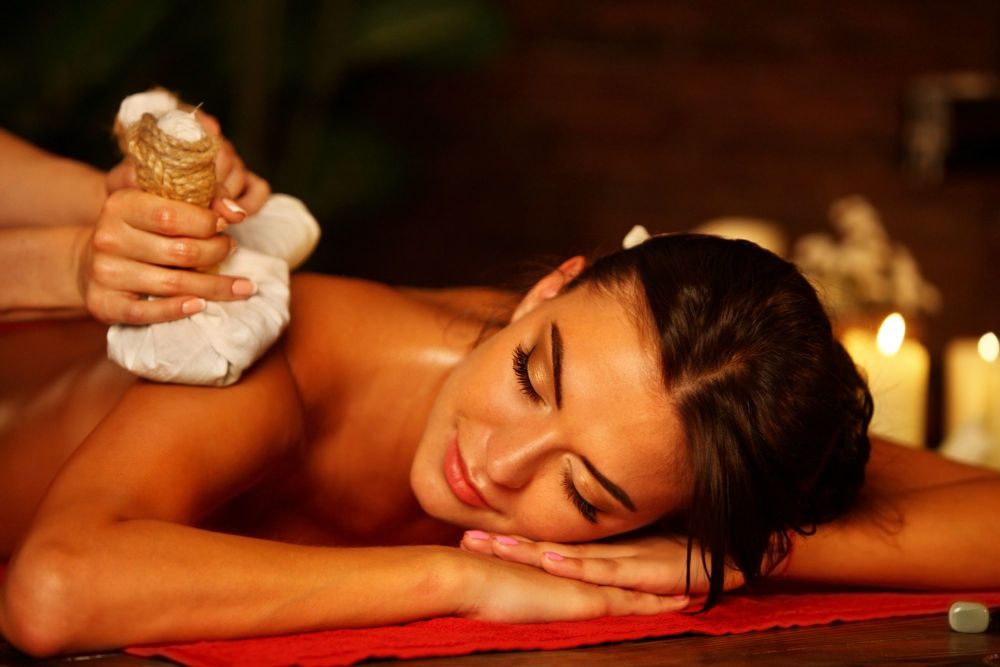
Massage involves rhythmic movements and pressure applied to the soft tissues of the body, which can encourage local circulation and create a wonderful sense of warmth and relaxation.
There's also something particularly comforting about having a warm, relaxing massage when it's cold and dark outside!
Rather than focusing on the winter weather itself, I think one of the biggest benefits is simply taking yourself out of your normal routine and giving your body an opportunity to relax.
Massage Can Help Keep Your Skin Feeling Soft
Cold weather, wind, low humidity and central heating can all contribute to dry and uncomfortable skin during the winter months.
Massage oils can help moisturise and condition the skin while the massage itself provides a relaxing treatment for the body.
If you choose an Aromatherapy Massage, your massage oil can also be blended with carefully selected essential oils to create a personalised treatment experience.
Remember that different essential oils have different properties and aren't suitable for everyone, so professional advice is important when choosing an aromatherapy blend.
Massage Can Help You Switch Off
Winter can be a surprisingly stressful time of year.
Christmas shopping, work deadlines, family commitments, school holidays, social events and financial pressures can all build up, leaving you feeling like you need a break before Christmas has even arrived!
A massage gives you dedicated time away from your usual responsibilities.
You don't need to answer emails, do the shopping, clean the house or organise everyone else.
For the duration of your treatment, your only job is to lie back, relax and let someone else take care of you for a change.
Massage and Your Mood
Massage is often associated with relaxation and an improved sense of wellbeing.
The combination of therapeutic touch, a calm environment and taking time away from everyday demands can help you feel more relaxed and uplifted.
And let's face it, sometimes we simply need a little bit of pampering!
Indian Head Massage, Holistic Face Massage and Aromatherapy Massage are all lovely options if you're looking for a relaxing treatment that helps you switch off from the outside world.
Winter Headaches and Tension
Some people experience more headaches during the colder months.
Headaches can have many different causes, including stress, dehydration, illness, sinus problems, poor posture, eye strain and muscular tension.
If you experience tension around your head, neck and shoulders, an Indian Head Massage or Holistic Face Massage may be a lovely relaxing treatment to consider.
Aromatherapy can also be incorporated into your treatment, with essential oils such as Peppermint traditionally used for their fresh, cooling aroma.
However, if you experience persistent, severe or unusual headaches, it's important to speak to your GP or another appropriate healthcare professional rather than relying on massage.
And don't forget your eyes! If you're experiencing frequent headaches or eye strain, it may also be worth having your eyesight checked by an optician.
Make Time for Yourself This Autumn and Winter
The colder months don't have to be all about surviving until spring!
They can also be an opportunity to slow down, get cosy and give yourself permission to rest.
A massage can be a wonderful way to look after yourself during autumn and winter, whether you're dealing with muscular tension, feeling stressed and overwhelmed, or simply fancy some much-needed pampering.
So, if the dark evenings and chilly mornings are starting to get you down, why not embrace the cosy side of winter and book yourself some time to relax?
After all, sometimes the best thing you can do is stop, breathe and let someone else look after you for an hour.
And you might even feel human again afterwards!
Until next time,
Zoe
x