Wellbeing Blog


 RSS Feed

  1. 5 Benefits of Microdermabrasion

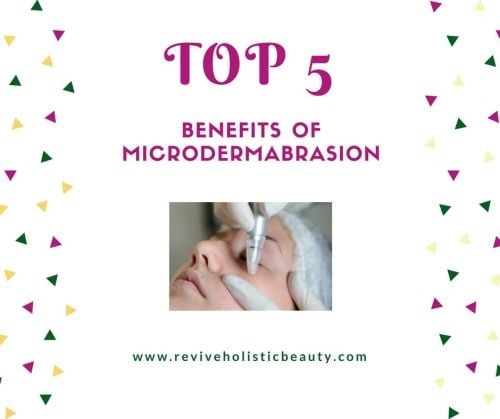
    Top 5 Benefits of Microdermabrasion

    Microdermabrasion is one of the most popular facial treatments for improving the appearance and texture of the skin. It is a gentle yet highly effective exfoliating treatment that can help address a wide range of common skin concerns, leaving your complexion looking fresher, smoother and more radiant.

    How Does Diamond Microdermabrasion Work?

    During a diamond microdermabrasion facial, your therapist uses a handheld wand fitted with a diamond-tipped head. The diamond tip is gently passed over each area of the face between one and three times, depending on your skin type and treatment goals.

    At the same time, the machine creates a gentle vacuum which removes the dead skin cells and debris loosened by the diamond tip. This combination of exfoliation and vacuum suction deeply cleanses the skin while stimulating healthy skin renewal.

    What Are the Top 5 Benefits of Microdermabrasion?

    1. Removes Dead Skin Cells

    Microdermabrasion exfoliates the epidermis, which is the outermost layer of the skin. As we age, the natural process of shedding dead skin cells (known as desquamation) slows down, often leaving the skin looking dull, dry and tired.

    Regular treatments help reveal fresher, smoother and brighter skin.

    1. Deep Cleanses the Skin

    The vacuum action helps remove excess oil, dirt and impurities from the pores, making microdermabrasion an excellent treatment for oily, congested or combination skin.

    Many clients notice their skin feels cleaner and smoother immediately after treatment.

    1. Boosts Circulation and Skin Renewal

    The treatment stimulates blood circulation, increasing the delivery of oxygen and nutrients to the skin.

    Improved circulation supports healthy skin cell regeneration, helping your complexion appear fresher and healthier over time.

    1. Improves Product Absorption

    By removing the build-up of dead skin cells, your skincare products can penetrate the skin more effectively.

    This means the active ingredients in your moisturisers, serums and treatment products can work more efficiently.

    1. Improves the Appearance of Many Skin Concerns

    Because of these combined benefits, microdermabrasion can help improve the appearance of:

    • Dull skin
    • Dry skin
    • Rough skin texture
    • Oily and congested skin
    • Fine lines
    • Superficial acne scarring
    • Some forms of hyperpigmentation

    Frequently Asked Questions

    Does Microdermabrasion Hurt?

    No. Most clients find the treatment comfortable, although you will feel the exfoliating action of the diamond tip and gentle vacuum.

    Your skin may appear slightly pink and feel a little tight afterwards, but this usually settles within a few hours.

    Is Microdermabrasion Suitable for Sensitive Skin or Rosacea?

    This depends on your skin.

    If you have very sensitive skin or widespread rosacea, microdermabrasion may not be the most suitable treatment.

    However, if your skin is only mildly sensitive or you have a small area of rosacea, treatment may still be appropriate.

    If you're unsure, I'm happy to carry out a small patch test before your full facial to assess how your skin responds.

    Do I Need to Wear SPF After Treatment?

    Yes.

    Because the outer layer of dead skin has been removed, your skin will be more sensitive to UV rays immediately after treatment.

    Applying a broad-spectrum SPF daily is essential to protect your skin and maintain your results.

    How Many Treatments Will I Need?

    If your goal is brighter skin, improved hydration or a deep cleanse, one treatment every four weeks is usually sufficient.

    If you're targeting fine lines, superficial acne scarring or certain types of hyperpigmentation, I usually recommend a course of three weekly treatments before reassessing your skin.

    Following this, monthly maintenance treatments are often all that is needed.

    Please note that hyperpigmentation caused by melasma does not usually respond well to microdermabrasion. If you're unsure what type of pigmentation you have, I'm happy to provide a free consultation during your appointment.

    Can I Combine Microdermabrasion with Other Facial Treatments?

    Absolutely.

    Microdermabrasion works very well when combined with other electrical facial treatments, all of which can be mixed and matched within my one-hour Pick and Mix Facial.

    Popular combinations include:

    • Purifying Facial – ideal for deep cleansing oily and congested skin.
    • Radio Frequency – helps tighten and firm ageing or sagging skin.
    • Non-Surgical Face Lift – lifts and tones the facial muscles.
    • LED Light Therapy

    • Red LED supports collagen production and healthy ageing.
    • Blue LED helps target acne-causing bacteria.
    • Green LED helps calm rosacea and reduce inflammation.

    Microdermabrasion can also be added to many of my manual facials to create a treatment tailored to your individual skin concerns.

    If you'd like smoother, brighter and healthier-looking skin, a microdermabrasion facial could be the perfect treatment for you.

    Whether you're looking to deeply cleanse congested skin, soften fine lines or simply restore your natural glow, I'd be delighted to help. 

    Please browse the Micrdoermabrasion and other Electrical Facials I offer

    Until next time

    Zoe

    x

  2. organic-beauty-products

    5 Benefits of Choosing Natural and Organic Skincare

    Choosing natural and organic skincare products is about much more than following a trend. Many people are becoming more conscious of the ingredients they apply to their skin, their impact on overall wellbeing and the effect they have on the environment.

    Here are five excellent reasons to consider switching to natural and organic skincare products.

    1. Avoid Potentially Harmful Ingredients

    One of the biggest advantages of natural and organic skincare is that these products are less likely to contain certain synthetic ingredients that have raised health or environmental concerns.

    Some commonly discussed ingredients found in conventional skincare and personal care products include:

    *DEA and TEA derivatives – some compounds have been associated with potentially harmful contaminants during manufacturing.
    *EDTA – a powerful metal-binding ingredient that is not readily biodegradable.
    *Parabens – preservatives that have raised concerns because of their weak oestrogen-like activity.
    *Phthalates – certain phthalates have been restricted or banned in cosmetics within the UK, EU and other countries due to safety concerns.
    *Silicones – synthetic ingredients that can create a barrier on the skin and may not suit everyone, particularly those prone to congestion.
    *Genetically modified ingredients (GM ingredients) – avoided by many consumers who prefer organically sourced ingredients.
    *Synthetic fragrances – can trigger irritation or allergic reactions in some individuals.
    *BHT (Butylated Hydroxytoluene) – a petroleum-derived antioxidant that may have environmental concerns, particularly in aquatic ecosystems.
    *Mineral oils – derived from petroleum, a non-renewable resource.
    *Triclosan– an antibacterial ingredient that has raised concerns regarding environmental impact and antibiotic resistance.

    The skin can absorb certain ingredients applied to its surface, although the extent varies depending on the ingredient and formulation. Many people choose natural skincare because they prefer to minimise unnecessary exposure to synthetic chemicals wherever possible.

    Organic skincare products are also produced using organically grown ingredients, reducing the likelihood of pesticide residues in the finished product.  The Soil Assocation produce a list of standards for organic beauty products which you can view here

    2. Natural Ingredients Can Offer Multiple Benefits

    Many natural ingredients have been valued for centuries because they provide a wide range of skin and wellbeing benefits.

    For example, Lavender essential oil is traditionally used to help soothe irritated skin and is often included in products designed for acne-prone skin, eczema, minor burns, cuts and dry skin. In aromatherapy, lavender is also widely used to promote relaxation, reduce stress, encourage restful sleep and support emotional wellbeing.

    This versatility means a single botanical ingredient can contribute to both skin health and overall wellbeing.

    3. Better for the Environment

    Natural and organic skincare products are often formulated with biodegradable ingredients that break down more readily in the environment.

    By comparison, some conventional products have historically contained ingredients such as plastic microbeads in exfoliators. These tiny plastic particles have contributed to marine pollution and harmed wildlife, which is why they have now been banned in rinse-off cosmetic products in many countries, including the UK.

    Choosing environmentally responsible skincare helps reduce your personal impact on the planet.

    4. Organic Farming Supports the Environment

    Organic ingredients are produced using farming methods designed to minimise environmental impact while working in harmony with nature.

    Organic farming encourages healthy soils, biodiversity and responsible land management while reducing reliance on synthetic pesticides and fertilisers.

    When you purchase certified organic skincare, you are also supporting more sustainable agricultural practices.

    5. Ethical Values Matter

    Many natural and organic skincare companies place great importance on ethical business practices.

    These may include:

    * Sustainable ingredient sourcing
    * Fair Trade partnerships
    * Responsible harvesting
    * Cruelty-free production
    * Environmentally conscious packaging
    * Supporting local communities

    While not every small independent producer holds formal certifications due to the costs involved, many still follow excellent ethical practices.

    Thinking About Switching to Natural Skincare?

    If you're ready to make the change, here are a few simple tips:

    * Make a list of the skincare and personal care products you currently use.
    * Research companies that specialise in natural and organic skincare. One of my favourites is Neal's Yard, and I use their products in my aromatherapy facial and  massage treatments.
    * Check whether they belong to recognised organisations such as the Soil Association, Fairtrade or FairWild, or whether they publish information about their sustainability policies.
    * Read the ingredient lists and research any unfamiliar ingredients using reputable cosmetic ingredient databases.
    * Start by purchasing travel sizes or smaller products to see how your skin responds before investing in full-sized products.

    Making informed choices can help you develop a skincare routine that is kinder to your skin, your wellbeing and the environment.

    At Revive, I believe that looking after your skin should never come at the expense of your health or the planet. Choosing natural and organic skincare is one simple step towards a healthier, more sustainable lifestyle.

    I hope this is of help to you

    Until next time

    Zoe 

    x